Cinematic AI Prompts: Movie-Quality Images Free

There is a reason certain AI images look like they were pulled from a Hollywood film and others look like phone snapshots. The difference is cinematic technique: deliberate composition, motivated lighting, color grading, and narrative framing. Every great cinematographer applies these principles, and you can encode them directly into your AI prompts.
This guide covers every major cinematic style with ready-to-use prompts for ZSky AI. From classic film noir to modern blockbuster aesthetics, you will learn the vocabulary that transforms ordinary images into cinematic frames.

Classic Film Noir
Detective in the Rain
film noir detective standing under a streetlight in the rain, black and white, hard shadows from venetian blinds, rain-wet cobblestone streets reflecting light, cigarette smoke curling upward, 1940s atmosphere, high contrast
click to copy
Femme Fatale
mysterious woman in a smoky jazz club, film noir style, dramatic side lighting creating half-face shadow, satin dress catching light, black and white with high contrast, dangerous elegance, classic Hollywood glamour
click to copy
Neo-Noir City
rain-soaked neon city at night, neo-noir aesthetic, teal and magenta neon reflections in puddles, lone figure walking with an umbrella, anamorphic lens flare, moody and atmospheric, Blade Runner inspired urban noir
click to copy
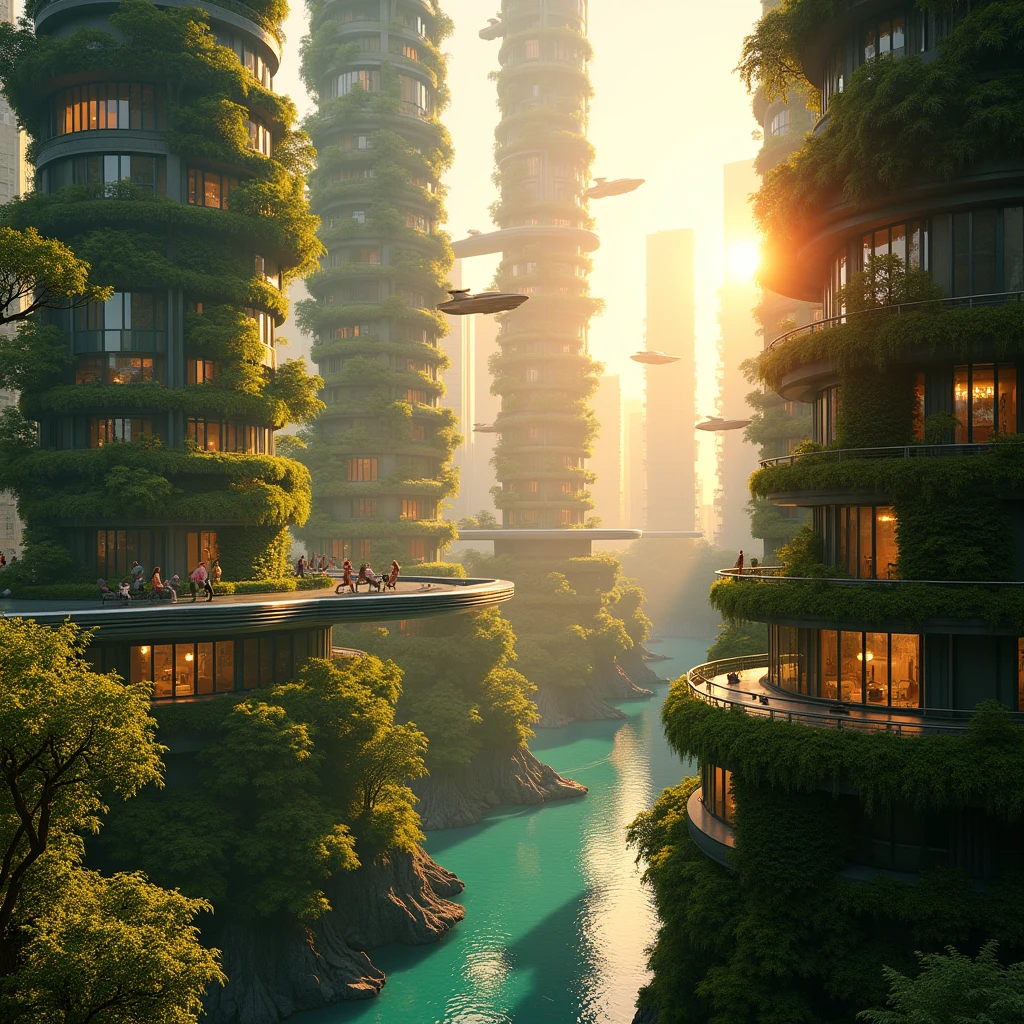
Modern Blockbuster Aesthetic
Teal and Orange Action
action hero standing in an explosion aftermath, cinematic teal and orange color grading, warm skin tones against cool blue environment, anamorphic widescreen 2.35:1 composition, shallow depth of field, blockbuster film still
click to copy
Epic Wide Shot
lone warrior standing before a vast army on an open plain, epic wide establishing shot, golden hour backlighting, dust particles in the air, cinematic 2.39:1 widescreen, sweeping scale, movie poster composition
click to copy
Dramatic Close-Up
extreme close-up of an eye reflecting fire, cinematic macro shot, visible iris detail with flames reflected in the pupil, shallow depth of field, warm orange glow on skin, tension and determination, movie climax moment
click to copy
Direct Your Own Movie Stills
Every cinematic technique in this guide works with ZSky AI. Start creating film-quality art for free.
Start Creating Free →
Horror Cinema
Supernatural Dread
child standing at the end of a dark hotel corridor, horror film still, symmetrical composition, flickering fluorescent lights, cold desaturated blue-green palette, deeply unsettling atmosphere, The Shining inspired framing
click to copy
Gothic Horror
crumbling Gothic mansion silhouetted against a blood-red full moon, horror cinema still, bare twisted trees, fog rolling across the ground, high contrast with deep blacks, Victorian gothic atmosphere, Hammer Horror aesthetic
click to copy

Art House and Independent Film
Wes Anderson Symmetry
perfectly symmetrical hotel lobby in pastel pink and mint green, Wes Anderson inspired film still, centered composition, whimsical details, vintage furniture, flat frontal camera angle, quirky and precise aesthetic
click to copy
Wong Kar-wai Mood
woman leaning against a neon-lit wall at night, Wong Kar-wai inspired film still, saturated red and green neon, motion blur suggesting movement, melancholic urban romance, step-printed film grain, lonely beauty in the city
click to copy

Every Genre, Every Shot
From noir to sci-fi, create cinematic masterpieces with ZSky AI. Free to start, unlimited video and image generation on the free tier.
Start Creating Free →Cinematic prompting is about understanding that every element serves the story. Lighting, color, composition, and atmosphere all work together to create a narrative moment frozen in time. For deeper technique guides, see our lighting prompts, camera angle guide, color palette prompts, and emotion prompts guide.
Frequently Asked Questions
How do I make AI images look cinematic?
Use film terminology in your prompts: anamorphic lens, 35mm film, cinematic color grading, teal and orange palette, shallow depth of field, and film grain. Specifying aspect ratios like 2.35:1 widescreen and referencing specific cinematography styles helps achieve that movie-quality look.
What makes an image look like a movie still?
Movie stills have distinctive characteristics: deliberate composition following rule of thirds, motivated lighting from visible sources, color grading with complementary palettes, shallow depth of field separating subject from background, and a sense of narrative moment. Adding terms like film still, cinematic frame, and movie screenshot helps achieve this.
What is cinematic color grading in AI prompts?
Cinematic color grading refers to the deliberate manipulation of colors to create mood. The most common is teal and orange, which creates warm skin tones against cool backgrounds. Other popular grades include bleach bypass for desaturated contrast, cross-processed for surreal colors, and day for night for blue-shifted moonlight scenes.
How do I create film noir AI art?
Film noir requires high contrast black and white, dramatic shadows, hard directional lighting, and urban night settings. Use terms like film noir, black and white, hard shadows, venetian blind light patterns, rain-wet streets, fedora silhouette, and 1940s detective atmosphere. Adding cigarette smoke and neon reflections enhances the mood.
What aspect ratio should I use for cinematic AI images?
For the most cinematic look, use wider ratios. 2.39:1 (CinemaScope) gives the most dramatic widescreen feel. 1.85:1 is the standard theatrical ratio. 16:9 works for modern TV drama aesthetics. Include the ratio in your prompt with terms like widescreen 2.35:1 composition or anamorphic widescreen framing for the AI to compose accordingly.
Related read: Create AI Cricket & IPL Images Free (2026).
Related read: Cinematic Fashion Photography: The Complete Guide to Movie-Quality Shoots.