The History of AI Art: A Complete Timeline from 1950s to 2026

The history of AI art spans more than seven decades, from earliest electronic computer experiments to sophisticated diffusion models.

Pre-Digital Era: 1950s-1960s
Ben Laposky created Oscillons in 1950 using oscilloscopes. Bell Labs researchers used digital computers for visual patterns in the 1960s. Harold Cohen began AARON in 1968.
Early Computer Art: 1970s-1990s
Vera Molnar, Frieder Nake, and Georg Nees created algorithmically generated art. Karl Sims evolved virtual creatures with neural networks in the 1990s.


Deep Learning Revolution: 2014-2020
GANs by Ian Goodfellow in 2014 marked a turning point. By 2018, GAN faces fooled observers. Style transfer in 2015 applied artistic styles to photos.
Try ZSky AI Free
Professional-quality AI video and image generation with audio. No credit card required, instant results.
Try ZSky AI Free →
Professional Era: 2025-2026
AI produces 4K output with photorealistic quality. Video generation emerged alongside images on ZSky AI. See our image-to-video guide.
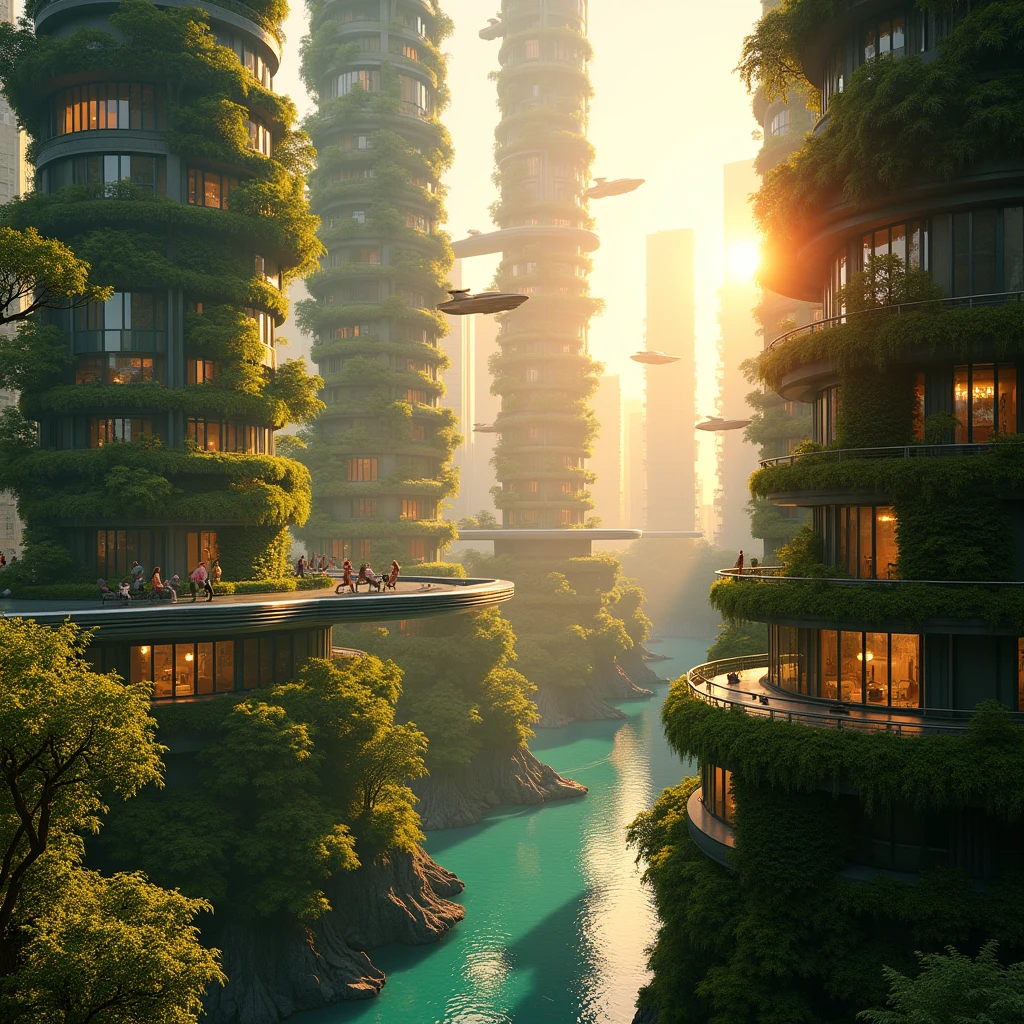

Cultural Impact
Museums exhibit AI works. For ethical dimensions, see our ethics guide. For legal landscape, read our copyright guide.
What Comes Next
Higher resolution, real-time generation, improved consistency. See our future predictions.
Frequently Asked Questions
When was AI art first created?
Earliest computer-generated art dates to the 1950s-1960s. Modern AI art with text-to-image emerged 2021-2022.
What was the first AI image generator?
The first major publicly accessible text-to-image generators launched in early 2021, demonstrating that neural networks could generate images from text descriptions at impressive quality.
How has quality improved?
From visible artifacts in 2022 to photorealistic quality by 2024 to indistinguishable from professional photography by 2026.
What technology powers modern AI?
Diffusion models that reverse a noise-adding process, guided by transformer-based text understanding.
Will it continue improving?
Yes. Research focuses on higher resolution, better consistency, faster generation through 2027 and beyond.
Start Creating with ZSky AI
Professional-quality AI image generation. Forever free — no credit card required, instant results.
Start Creating Free →Related read: The History of AI Art: From 1960s to 2026.