State of AI Art in 2026: What's Changed, What Hasn't
![State of AI Art in 2026 [What's Changed]](/images/blog/state-of-ai-art-2026.webp)
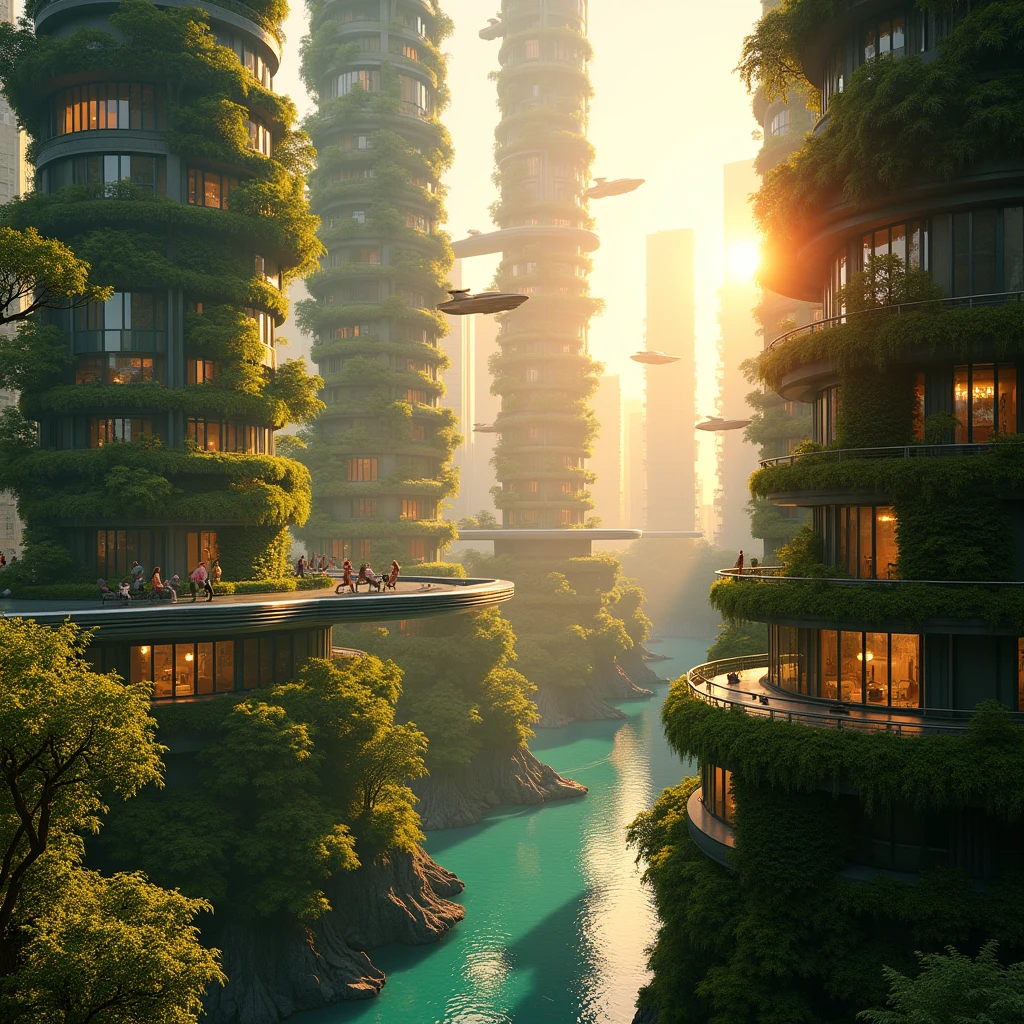
Understanding State of AI Art in 2026: What's Changed, What Hasn't
The landscape of AI creative tools continues to evolve at a remarkable pace, and understanding the current state of affairs is essential for anyone creating visual content in 2026. Whether you are a professional designer, a small business owner, a content creator, or someone exploring AI art for the first time, knowing what tools are available, how they compare, and where the technology is headed helps you make better decisions about your creative workflow.
This guide provides a comprehensive overview based on extensive testing and real-world usage. We focus on practical information: what works, what does not, what things cost, and how to get the best results. No hype, no technical jargon, just actionable guidance for creators at every level.
ZSky AI sits at the center of many creators' workflows because it offers both video and image generation with audio with a generous free tier of unlimited video and image generation on the free tier with HD videos and audio (small ZSky wordmark on free), and no subscription requirement. But this guide covers the broader landscape to help you build the complete toolkit that matches your specific needs.
The Current Landscape
The AI creative tools market in 2026 has matured significantly from the early days of consumer AI image generation. Quality has improved across the board, pricing has become more competitive, and the tools have become more accessible to non-technical users. The result is a rich ecosystem where creators of all skill levels can find tools that match their needs and budgets.
Several key trends define the current landscape.First, the convergence of video and image generation with audio on single platforms reduces the number of tools creators need.Second, free tiers have become genuinely useful rather than mere demonstrations.
Third, output quality has reached a professional standard where AI-generated content is routinely indistinguishable from traditionally produced content.And fourth, the tools have become more intuitive, lowering the barrier to entry for new users.
Understanding these trends helps you navigate the market efficiently. Rather than trying every tool, focus on the platforms that align with your specific use cases, budget, and workflow preferences. Start with free tiers to evaluate quality and usability before committing to paid subscriptions.
Key Features to Evaluate
| Feature | Why It Matters | What to Look For |
|---|---|---|
| Output Quality | Determines if output is usable | Test with your specific use cases |
| Free Tier | Evaluate before spending | Daily limits, watermarks, restrictions |
| Speed | Workflow efficiency | Generation time, queue lengths |
| Ease of Use | Team adoption | Intuitive interface, no expertise needed |
| Commercial Rights | Essential for business | Clear terms for commercial use |
Create Professional AI Videos & Images Free
No credit card required. Just a light ZSky wordmark on free clips. Generate stunning visuals with AI, completely free to start with unlimited video and image generation on the free tier.
Start Creating Free →Frequently Asked Questions
How has AI art quality changed in 2026?
AI art quality has improved dramatically. Anatomical accuracy, especially hands, has improved by about 80 percent. Text rendering is now reliable. Style consistency has improved significantly. The gap between AI art and professional human art has narrowed considerably.
Is AI art accepted in the professional art world?
Acceptance is growing but still contentious. Major galleries have hosted AI art exhibitions. Design firms and advertising agencies have embraced AI. The commercial world has largely adopted AI as a practical tool.
What are the biggest remaining challenges for AI art?
Precise user control, consistent character identity across multiple images, very long-form visual narratives, and the ethical framework around training data and artist compensation.
How is AI art being used commercially in 2026?
Commercial usage is widespread across advertising, e-commerce, publishing, social media, game development, interior design, and fashion. The adoption has moved beyond experimental into standard practice.
Will AI art replace human artists?
AI has not replaced human artists. Routine visual production tasks have been automated, but the need for creative direction, conceptual thinking, and artistic vision has increased.
Related read: Restore Old Damaged Photos with AI (Free Guide).